

As Europe faces an escalating public health crisis—driven by aging populations and the rising burden of chronic disease, the European Spas Association (ESPA) is championing a fundamental reform in European health strategy.
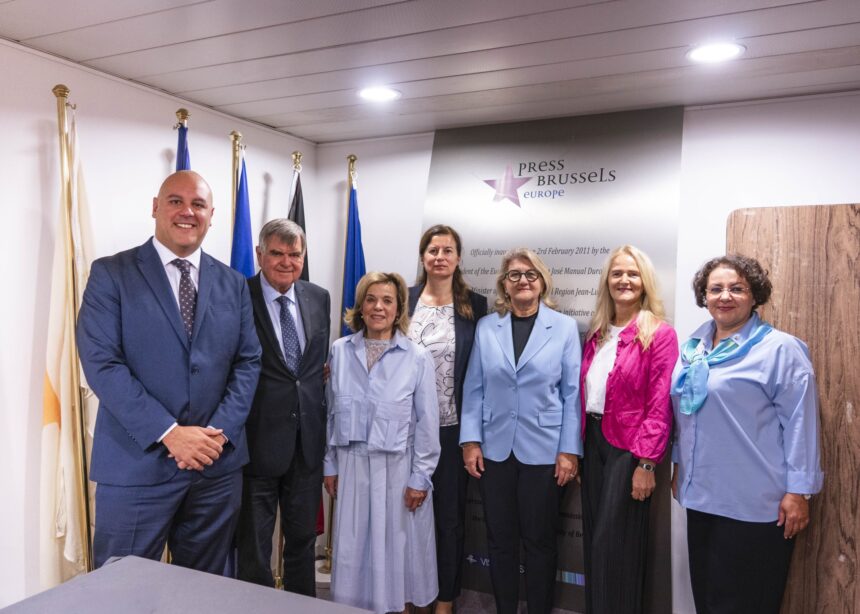
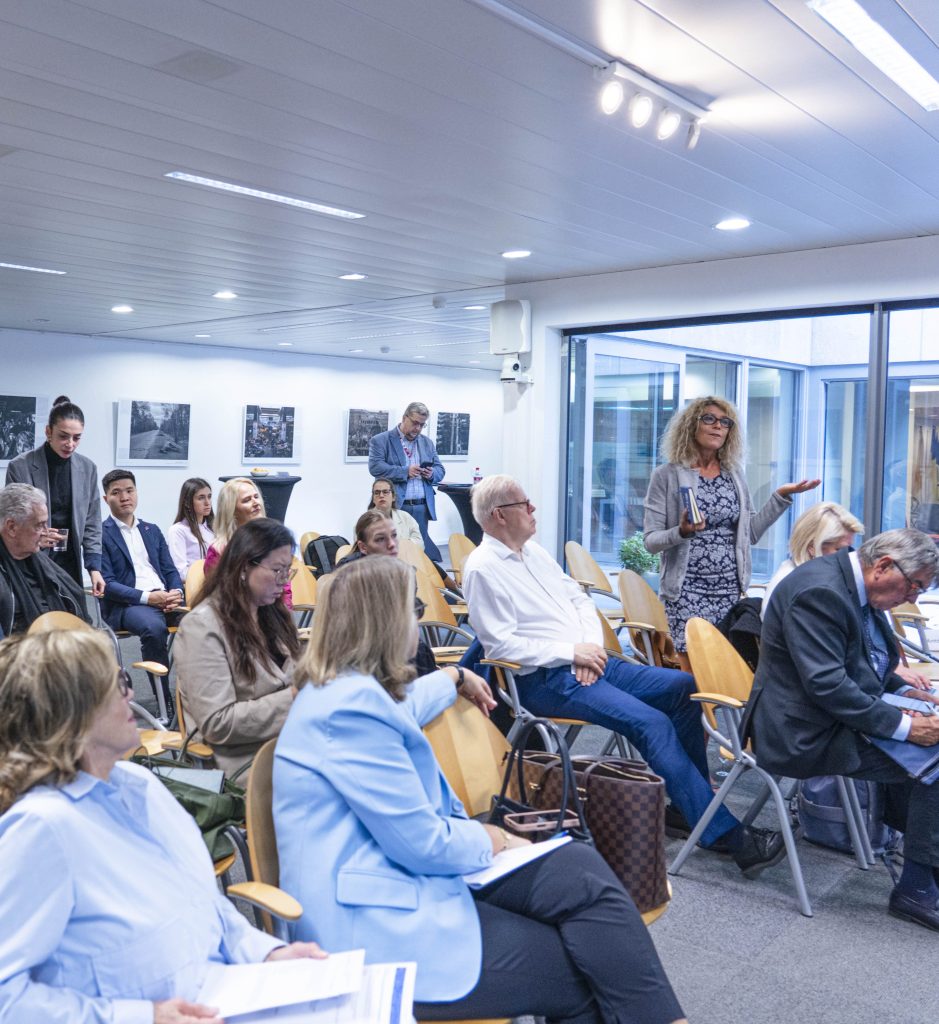
On September 30th, following World Heart Day, ESPA hosted high-level policymakers and stakeholders at the Press Club Brussels Europe. Our ambition is clear: to place natural remedies and medical spas at the core of Europe’s healthcare and wellbeing.
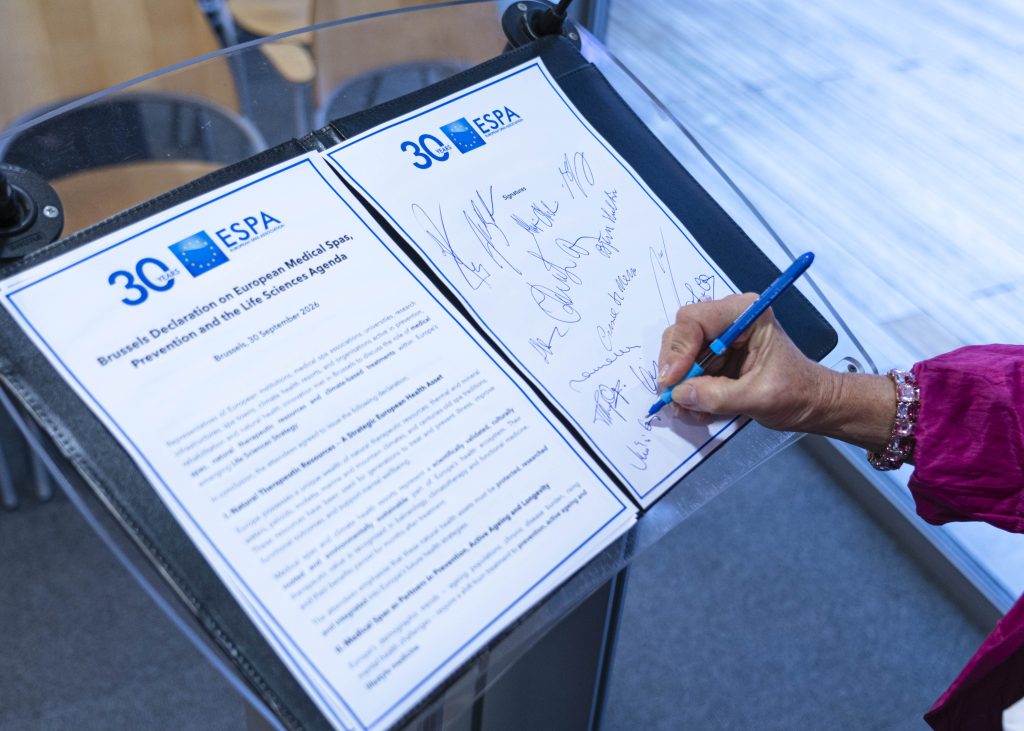
The culmination of this high-level meeting was the adoption of the Brussels Declaration on European Medical Spas, Prevention and the Life Sciences Agenda, marking a key turning point for health tourism and preventive medicine across the continent.
ESPA represents 20 European countries and 1,400 spas, a sector supporting 850,000 jobs and attracting 20 million tourists annually.
In her opening remarks, ESPA President Assoc. Prof. Siyka Katsarova emphasized to attendees how the COVID-19 pandemic permanently shifted the perception of health resorts – proving that medical spas belong on the frontline of health prevention and rehabilitation.
“But we need more support,” Dr. Katsarova urged. To fully unlock Europe’s potential, ESPA is advocating for spa medicine and health tourism to be fully integrated into EU health strategies, ensuring these nature-based assets no longer remain on the margins of policy.


Aligning ESPA’s Vision with the EU Life Sciences Agenda
The socioeconomic stakes are staggeringly high. During our briefing, Dr. Milena Angelova, rapporteur on the EU Life Sciences Strategy for the European Economic and Social Committee (EESC), highlighted that lifestyle-related chronic diseases are the leading cause of death in the EU. She stressed that the healing power of nature and evidence-based spa care should not be a side topic but rather placed at the centre of the EU’s Life Sciences Strategy to foster healthier lifestyles and disease prevention.
To unlock this full potential, ESPA is pressing EU leadership to stop treating nature-based health resources as peripheral assets and to formally integrate medical spa treatments into EU health policy.

European Models of Excellence
ESPA’s strength lies in the diverse, evidence-based models of our members. The Brussels briefing showcased the diverse ways European nations are already successfully leveraging spa medicine, though challenges remain:
- Italy: Marina Lalli, vice-president of Federterme, noted that therapeutic medicine is already integrated within the Italian healthcare system, with government support for various treatments. However, she echoed ESPA’s core message: healthcare must stop “running after the disease” and pivot toward prevention to save lives and reduce costs.
- France: Thierry Dubois, president of CNETh/La Médecine Thermale, pointed to France’s excellence in thermal medicine. He cautioned against any funding cuts to the sector and emphasised that spa centres are often vital economic lifelines for rural regions. He called for increased EU-wide funding for balneology research.
- Romania: Home to one-third of Europe’s therapeutic springs, Romania’s model was showcased by Iuliana Tasie. She highlighted their targeted focus on cardiovascular prevention and rehabilitation – an urgent priority given that cardiovascular disease is the world’s leading cause of death.
- Hungary: The country boasts a long tradition and is home to the only capital city that is also a spa town. It is renowned for its large pools of medicinal water and unique natural therapies – such as the “weight bath,” a Hungarian medical innovation and a signature spa treatment for spinal disorders and chronic back pain.
- Bulgaria: Where new investments are transforming its natural appeal – combining the Black Sea coast and thermal waters with mountainous regions rich in thermal springs – into an emerging destination for health tourism.
- Internal Innovation: ESPA continues to drive specialized research within our own ranks, as demonstrated by Marlies Sobczak, who outlined the ongoing work of ESPA’s dedicated thalassotherapy working group.


Tourism, Connectivity, and the Wellbeing Economy
Health tourism is not just a medical issue; it is a regional development powerhouse. Elisabeth Kotthaus, Head of the Tourism Unit at the European Commission’s Directorate-General for Mobility and Transport, pointed out that the broader tourism sector supports 20 million jobs EU-wide. While Europe is currently the world’s top tourist destination, Kotthaus stressed that proactive strategies into promising areas like health tourism are required to maintain that lead and promote balanced, year-round tourism.
However, realizing this potential requires infrastructure. Maltese MEP Daniel Attard, the European Parliament’s rapporteur on responsible tourism, argued that discussing health destinations is futile without addressing practicalities. He called for better transport connectivity to allow patients to easily reach health resorts and stressed the need for cultivating a highly skilled, specialized labour force to deliver these medical therapies.

The Brussels Declaration: ESPA’s Roadmap for Europe
The culmination of this landmark event was the adoption of the Brussels Declaration on European Medical Spas, Prevention and the Life Sciences Agenda, which laid out distinct priorities for European institutions and Member States:
- Formal integration of medical spas into EU health and life sciences strategies.
- Increased support and funding for research into balneology, climatotherapy, and nature-based prevention.
- Inclusion of spa facilities in cross-border clinical networks.
- Strict environmental protections for natural therapeutic resources and water catchment areas.

Looking Ahead: The Road to Spa (June 2027)
The dialogue sparked in Brussels is set to expand over the coming years. ESPA is maintaining momentum with a major milestone: in June 2027, ESPA will co-host a high-level joint event alongside the European Historic Thermal Towns Association (EHTTA) in the historic Belgian city of Spa. This event will unite Europe’s thermal heritage with the next generation of evidence-based health policy.
As Europe attempts to navigate an aging population and stretched healthcare budgets, the path forward may well be found in its ancient waters. By combining scientific innovation, medical expertise, and the protected power of nature, Europe has the opportunity to build a thriving wellbeing economy that keeps its citizens healthier for longer.

View Coverage of Our Event
You can view the full media coverage of our Brussels briefing across international news outlets here: